
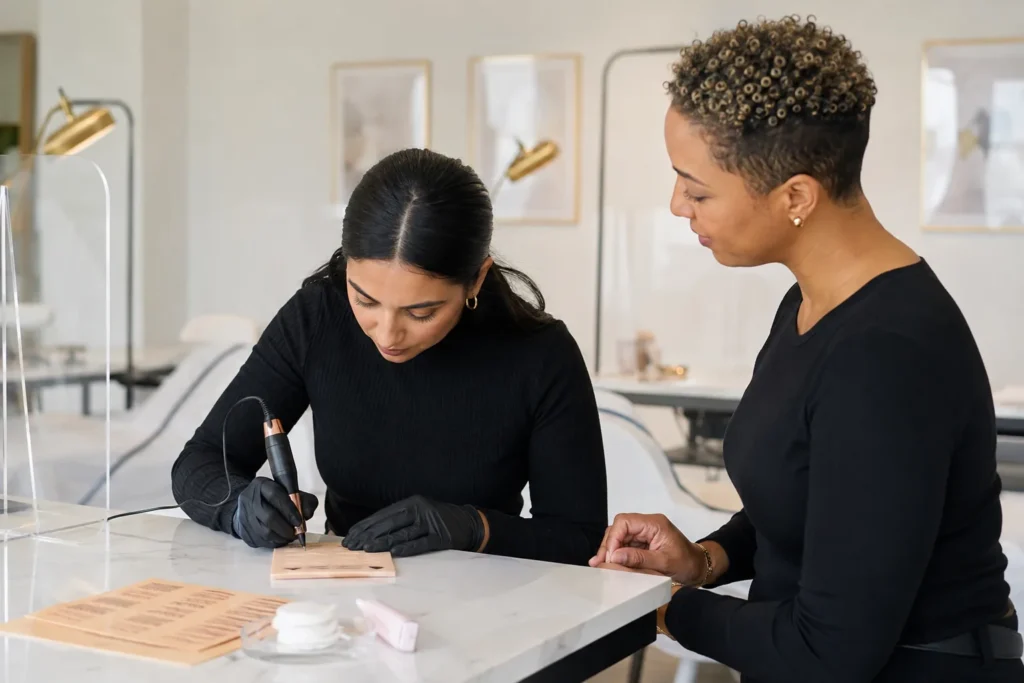
Choose PMU education by the evidence of what is taught, practised, supervised and assessed—not by the shortest duration, largest kit, income promise or most impressive title.
Curriculum evidence
- The exact procedures taught, entry requirements, learning hours and delivery methods are written down.
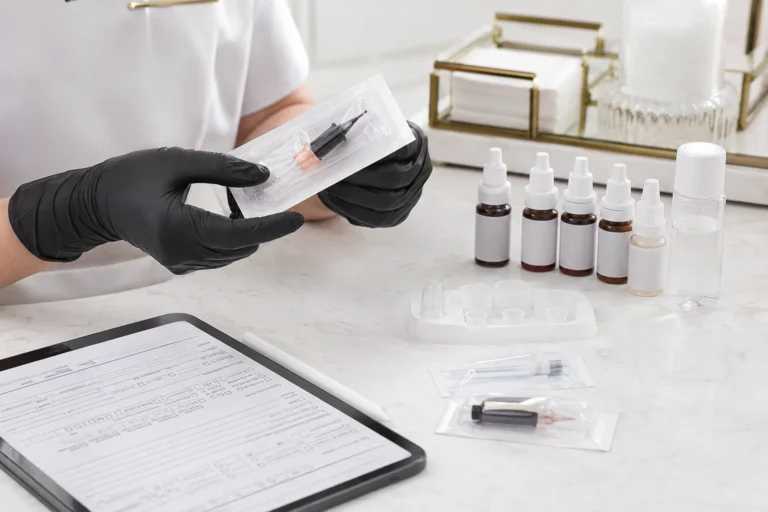
- Anatomy, skin, infection prevention, consent, product literacy, records, aftercare boundaries and complications are integrated with technique.
- Machine and manual methods are distinguished; one short module is not represented as universal PMU competence.
- Local legal and insurance limits are researched rather than replaced by the course certificate.
Practice and supervision
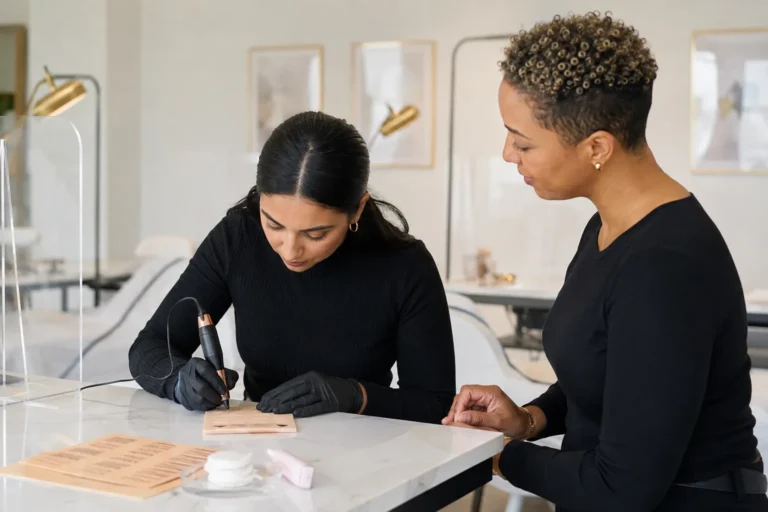
- Learning progresses from theory and simulation to appropriately supervised practical work.
- The trainer-to-learner arrangement allows observation, intervention, feedback and a safe stop when required.
- Models or clients give informed consent to learner involvement and know who carries responsibility.
- The provider explains what happens if required practical evidence cannot be completed safely.
Assessment and evidence
- Assessment criteria describe what safe, competent performance looks like for each procedure.
- Knowledge and practical decisions are assessed, not attendance or a final photograph alone.
- Feedback, reassessment, appeals, record retention and certificate validation are explained.
- The learner receives a truthful record of the scope achieved and any remaining supervision needs.
Trainer and course warning signs
- Guaranteed income, guaranteed licensing or pressure to pay immediately.
- No verifiable trainer identity, procedure-specific experience, curriculum or assessment plan.
- Live work before adequate preparation, unsafe model recruitment or secrecy about supervision.
- A certificate title that implies statutory authority, healthcare status or competence beyond what was assessed.
- Before-and-after images used without clear ownership, consent or distinction between trainer and learner work.
Important boundary: This is general education, not an individual suitability decision, diagnosis, treatment plan or legal opinion. Permanent makeup and related services interact with living tissue. Practitioners must work within their training, insurance and local permission; clients with symptoms or health questions should use an appropriate healthcare service.
Guidance edition: 1.0. Reviewed: . Review sooner if material evidence, product information or law changes.