
Use these questions before booking or paying for a tattoo. The checklist supports an informed conversation; it does not diagnose risk or replace requirements where the service is delivered.
Before you agree
- The artist explains the design, placement, price, likely session plan and realistic limitations before asking for consent.
- You are given time to ask questions, disclose relevant information privately and decide without pressure.
- Age, identity and consent requirements are checked for the location where the tattoo will take place.
- The artist explains photography, portfolio and social-media choices separately from consent to the procedure.
During setup and service
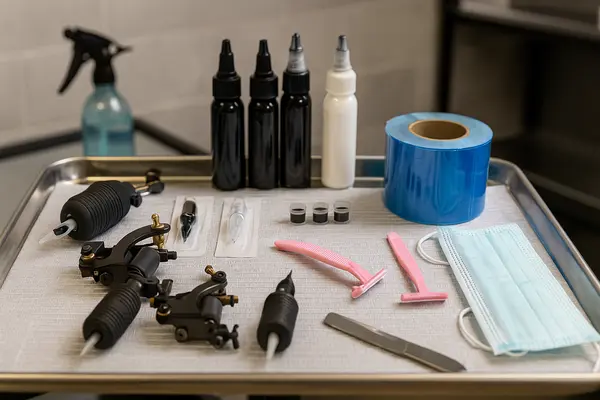
- The work area is clean, organised and separated from avoidable contamination.
- Single-use needles or cartridges and other disposable items are opened for the client and discarded safely after use.
- Reusable equipment, work surfaces, cables and controls are protected or processed using an explained infection-control system.
- Hand hygiene, fresh gloves and safe sharps handling are visible parts of the process.
Records and evidence to check
- Ask for the practitioner and premises permissions required locally, plus relevant training and insurance information.
- Ask how inks, pigments and consumables are sourced and how batch, lot and expiry information is recorded.
- Confirm the artist gives written aftercare, follow-up contact details and clear advice on when to seek healthcare support.
- Check the exact BAQA record separately; a BAQA result does not replace local licensing or guarantee an outcome.
Pause and ask more when
- Pressure to book or pay before questions are answered.
- Guaranteed results, healing times or claims that no adverse outcome is possible.
- No consent process, unclear pricing, poor privacy or reluctance to explain hygiene controls.
- A BAQA badge or certificate that cannot be matched to the relevant current record.

Health and legal boundary: This is general public information, not individual medical or legal advice. For urgent symptoms or safety concerns, contact an appropriate healthcare professional or emergency service. Check current local requirements with the responsible authority.
Checklist edition: 1.0. Reviewed: . Review sooner if relevant evidence or law changes.