
Use this page before choosing a body art service. It brings BAQA checks, public guidance and official licensing routes together without implying that a private membership replaces local law.
A practical safer-choice checklist
1. Identify the person and premises
Confirm who will carry out the procedure, where it will take place and whether the public name matches the practitioner or business record.
2. Check local permission
Ask for the licence, registration, inspection or insurance evidence required where the service is delivered. Verify it with the responsible authority where possible.
3. Discuss hygiene and equipment
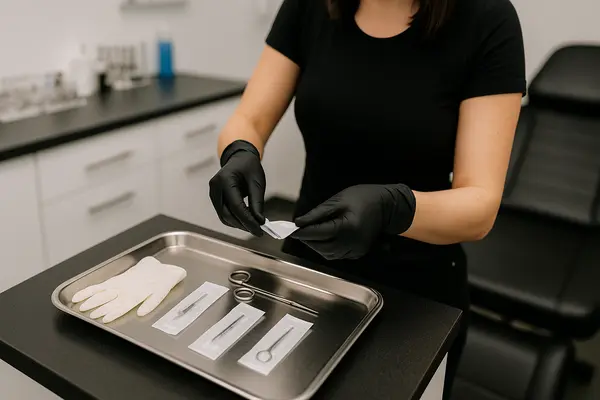
Expect clean working areas, appropriate hand hygiene and protective equipment, safe sharps handling, and single-use or correctly reprocessed items suited to the procedure.
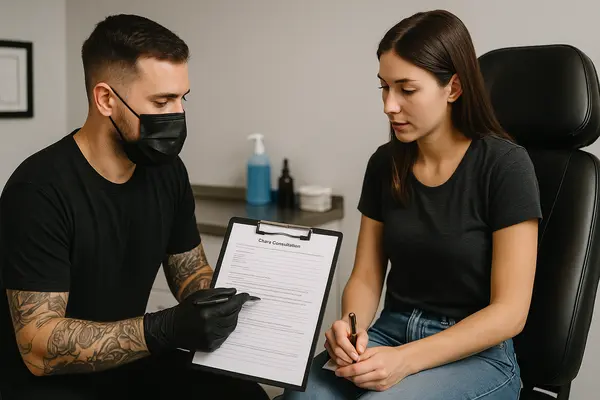
4. Expect a real consultation
The practitioner should explain the service, material risks, limitations, price, consent, aftercare and what to do if a problem occurs. Pressure or guarantees are warning signs.
5. Check the claim itself
A directory listing and a validation record answer different questions. Use the exact BAQA validation tool for a BAQA membership, studio status or certificate claim.
6. Keep relevant records
Retain the practitioner’s details, consent information, receipt and aftercare guidance. Share only necessary personal or health information.
What a BAQA check means
BAQA validation confirms only the BAQA record and status shown at the time of the check. It does not prove that every local legal, licensing, insurance, premises or health requirement has been met, and it is not a guarantee of a particular outcome.
Read the BAQA discipline standards
Independent official safety information
- US FDA: tattoos, temporary tattoos and permanent makeup
- UK Health Security Agency: tattooing and body piercing infection prevention
- South African Government: provincial and local government directory
External guidance applies within its own jurisdiction and may change. Always check the current official source.