
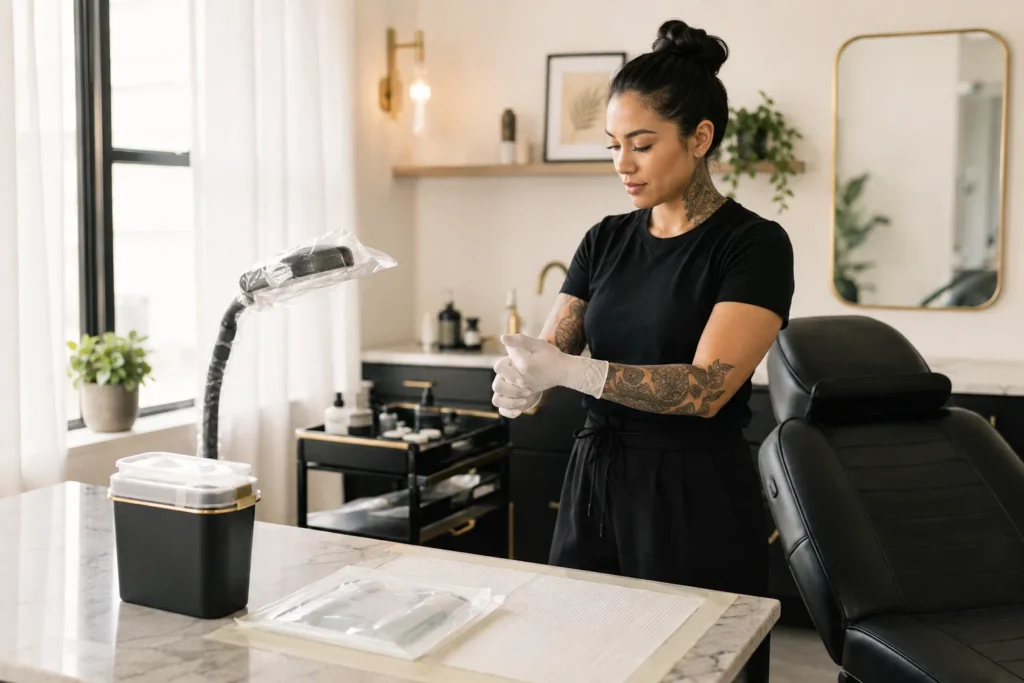
Professional Infection Prevention for Body Art Studios
Infection control is one of the most important responsibilities in any body art environment.
Tattooing, piercing, permanent makeup, SMP, and related procedures all involve close contact with skin, tools, surfaces, and in many cases, blood or body fluids. This means every professional studio must do more than just work cleanly. It must follow clear systems that reduce risk, prevent cross contamination, and protect both clients and staff.
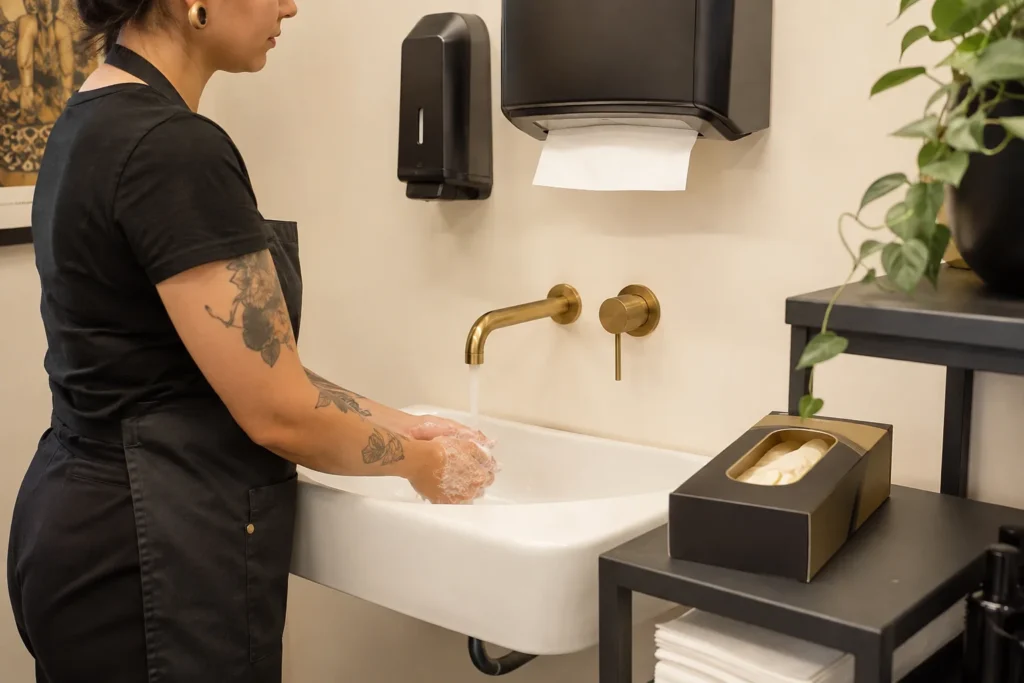
The B.A.Q.A Infection Control Training Course is designed to give students, artists, technicians, and studio teams a strong working understanding of how infection prevention works in real body art settings.
This course focuses on the daily practical systems that keep a studio safe, professional, and compliant.
Why This Course Matters
A professional body art studio must be able to control risk at every stage of the procedure.
That includes:
- Hand hygiene
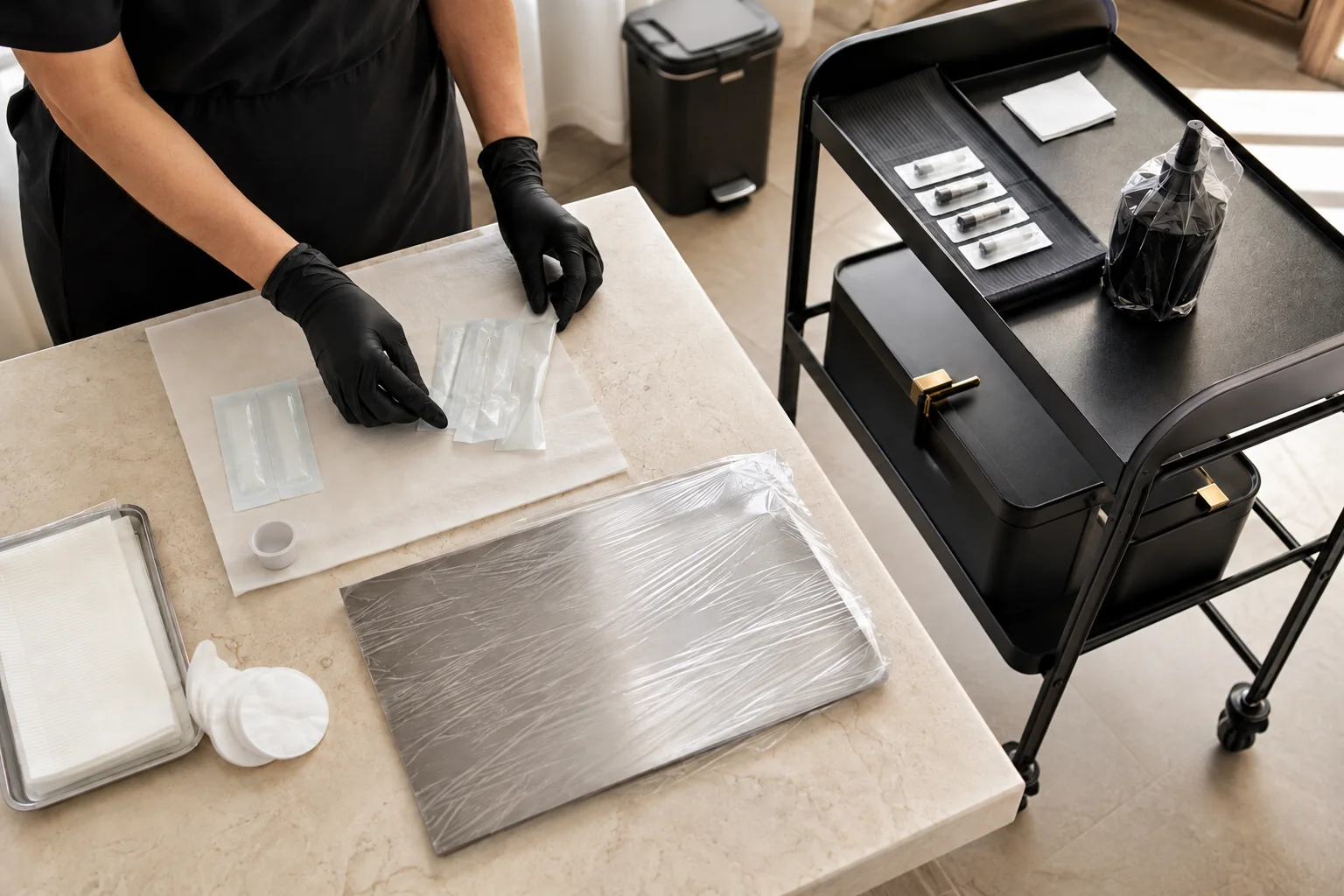
- Workstation preparation
- Cleaning and disinfection
- Personal protective equipment
- Safe handling of tools and surfaces
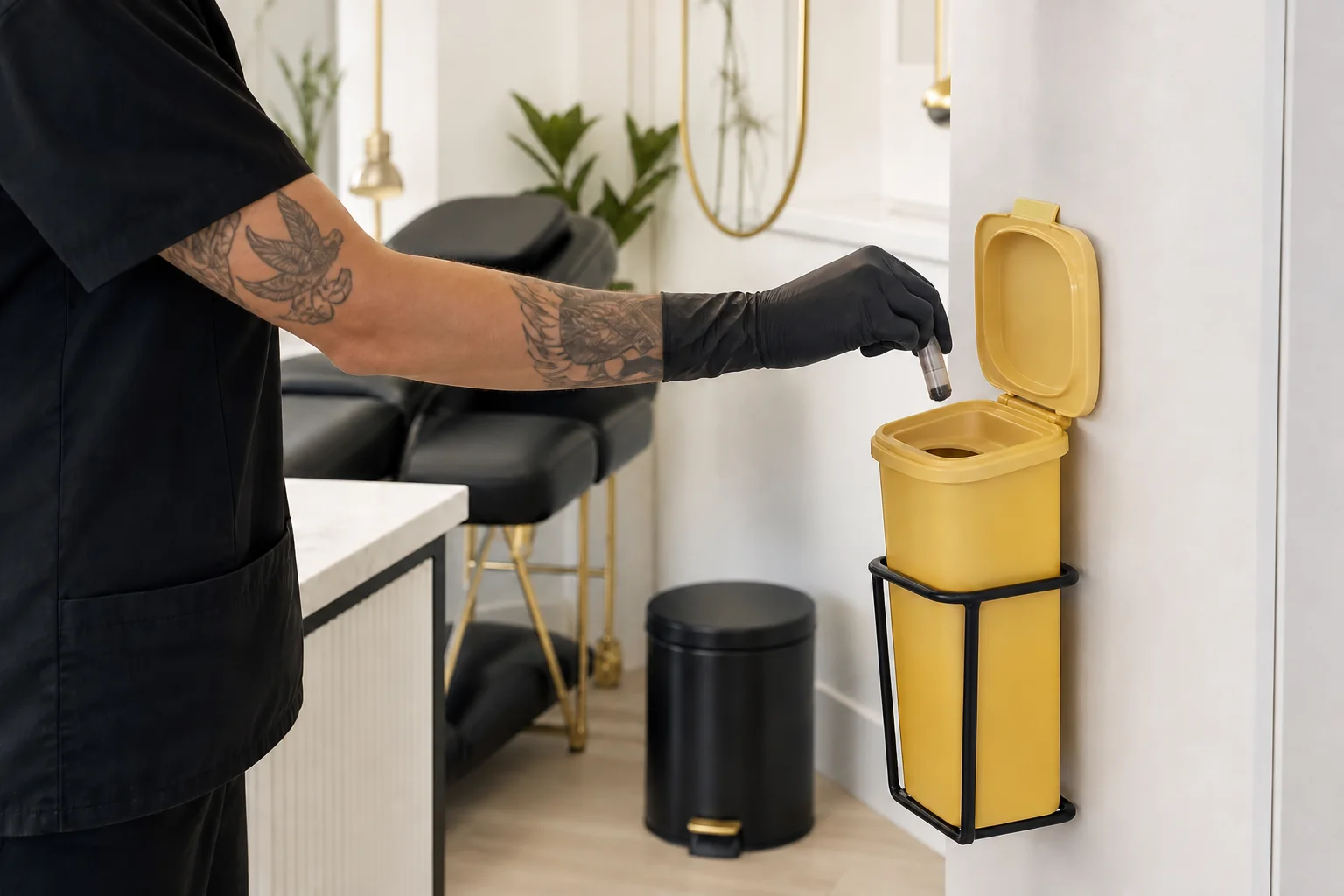
- Waste disposal
- Exposure response
- Documentation and safety routines
Infection control is not just about avoiding problems. It is about building safe habits, protecting clients, protecting artists, and maintaining professional standards across the industry.
Who This Course Is For
This course is ideal for:
- Tattoo artists
- Body piercers
- Permanent makeup artists
- SMP practitioners
- Apprentice artists
- Studio assistants
- Front desk and support staff
- Studio owners and managers
- Training providers
- Inspectors and compliance teams
It is suitable for both beginners and experienced professionals who want a stronger understanding of infection prevention in a body art environment.
What You Will Learn
This course teaches the principles and practical application of infection prevention in a studio setting.
Key topics include:
- Introduction to infection control in body art
- Microbiology basics for studio professionals
- How infection spreads
- The chain of infection
- Standard precautions
- Hand hygiene protocols
- Personal protective equipment
- Environmental cleaning and disinfection
- Sterilisation principles
- Safe equipment handling
- Clinical waste and sharps disposal
- Exposure incident response
- Client protection procedures
- Studio layout and contamination control
- Documentation and compliance
- Professional responsibility and safety culture
Practical Studio Focus
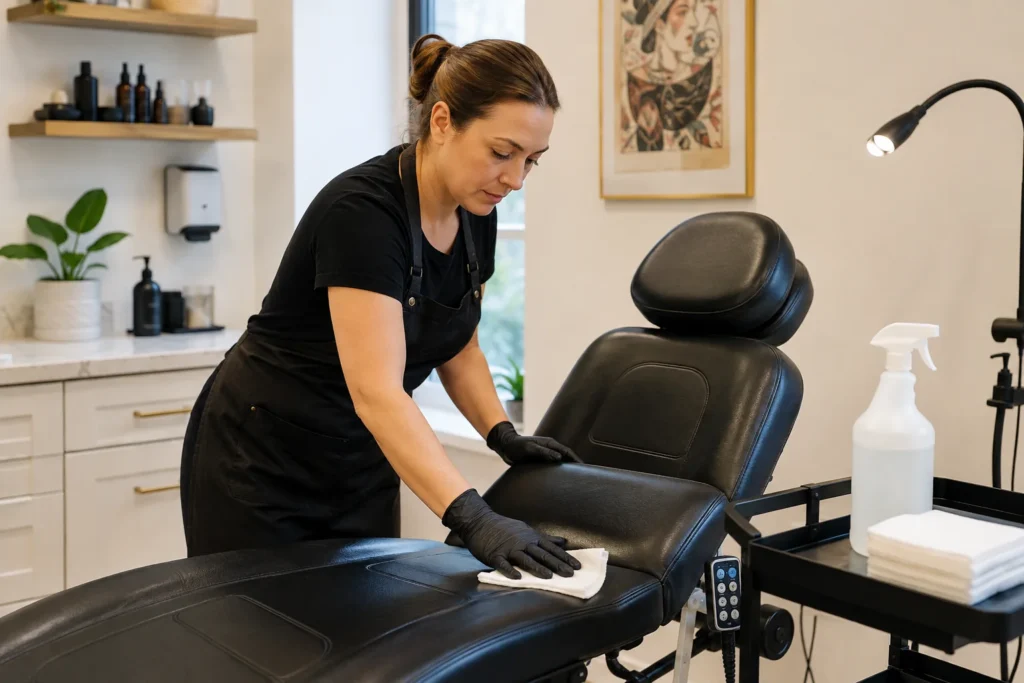
Unlike generic health and safety training, this course is tailored specifically to the body art industry.
Students are trained to understand infection control in the context of:
- Tattoo stations
- Piercing procedures
- Permanent makeup environments
- Shared workspaces
- Tool processing areas
- Client preparation areas
- High touch surfaces
- Blood contaminated waste
- Disposable and reusable equipment
The goal is not only to understand theory, but to apply it in the real world of modern body art practice.
Course Outcomes
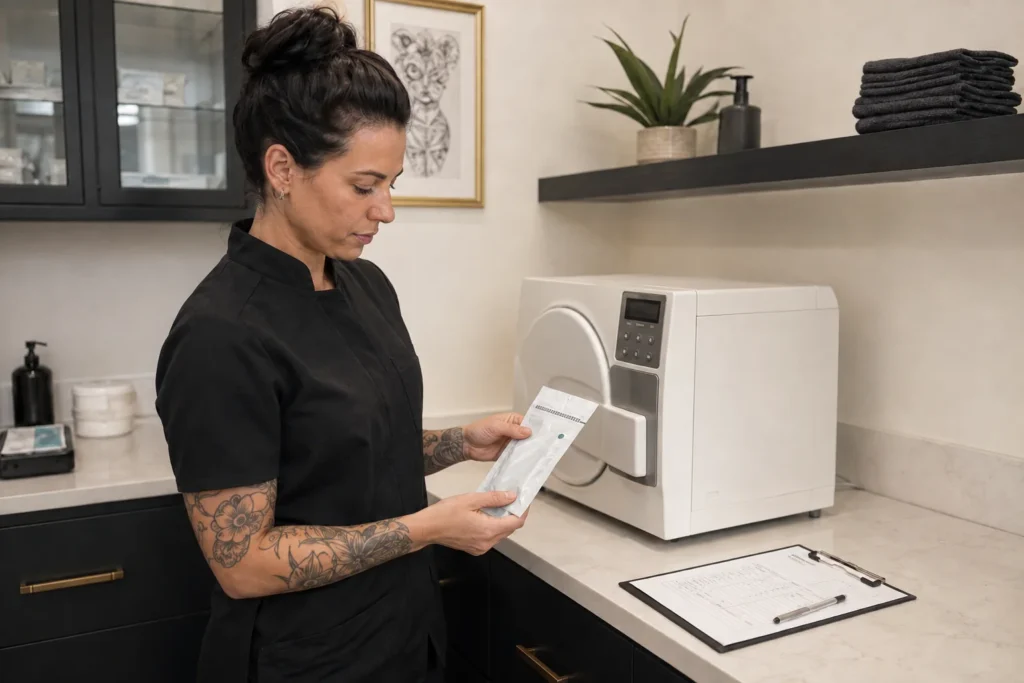
By the end of this course, students should be able to:
- Understand how contamination and infection can occur in a studio
- Identify high-risk areas and unsafe practices
- Apply infection prevention routines consistently
- Use PPE correctly
- Clean and disinfect work areas properly
- Handle tools and equipment safely
- Manage clinical waste responsibly
- Respond correctly to exposure incidents
- Maintain safer systems for clients, staff, and studios
- Support compliance and audit readiness
Why Choose B.A.Q.A
B.A.Q.A is focused on raising standards in the body art industry through structured safety education, studio compliance principles, and professional accountability.
This course supports the idea that body art professionals should not only be skilled in their craft, but also properly trained in the systems that keep people safe.
B.A.Q.A training helps studios move toward a stronger culture of:
- Professionalism
- Hygiene
- Safety awareness
- Documentation
- Risk reduction
- Industry credibility
Course Format
Depending on the provider, this course may be delivered through:
- Online theory training
- In-person workshops
- Practical demonstrations
- Assessments and quizzes
- Studio-based competency evaluation
This allows training providers and studios to use the course as part of staff onboarding, professional development, or broader compliance programmes.
Certification
On successful completion, students may receive a certificate in:
B.A.Q.A Infection Control for Body Art Professionals
This certification demonstrates that the student has completed structured training in infection prevention principles relevant to the body art industry.
A Safer Studio Starts With Better Training
Good infection control protects more than just the individual procedure. It protects the reputation of the studio, the health of the team, and the future of the industry.
B.A.Q.A Infection Control Training helps build safer professionals, safer studios, and stronger standards across body art.
Why This Course Is Different to BBP Training
Although the two courses are closely related, they are not the same thing.

BBP Training
BBP stands for Bloodborne Pathogens.
BBP training focuses mainly on the risks associated with blood and other potentially infectious materials. It teaches students about specific bloodborne diseases, how exposure happens, what to do after an exposure incident, and how to reduce the risk of transmission.
A BBP course typically covers:
- Hepatitis B
- Hepatitis C
- HIV
- Exposure routes
- Needle stick injuries
- Blood splash incidents
- PPE
- Reporting procedures
- Post exposure action
So BBP training is mainly about blood-related biological risk.
Infection Control Training
Infection Control Training is broader.
It includes bloodborne pathogen awareness, but also goes beyond it to cover the full system of preventing contamination and infection throughout the studio environment.
That includes:
- Hand hygiene
- Surface cleaning
- Environmental disinfection
- Sterilisation systems
- Tool handling
- Waste control
- Workflow separation
- Studio layout
- Day-to-day hygiene systems
- Documentation and safety routines
So infection control is about the full prevention framework, not just blood exposure.
Simple Way to Explain the Difference
A good way to position it is this:
BBP training teaches professionals how to recognise and reduce the risk of bloodborne disease exposure.
Infection Control training teaches professionals how to run a cleaner, safer, more controlled studio overall.
In other words:
- BBP is one part of safety training
- Infection Control is the wider safety system
Why Both Matter
A body art professional should ideally understand both.
BBP training helps students understand the dangers of blood exposure.
Infection Control training helps students build the habits, systems, and studio practices that prevent those exposures and many other contamination risks from happening in the first place.
That is why these two courses work very well together under B.A.Q.A.
You can position them like this:
- BBP Training = hazard awareness and exposure prevention
- Infection Control Training = full studio hygiene and contamination prevention system
Course access and price
Course price: USD 30
- Six practical guided lessons with narrated video, captions and full written content.
- Two knowledge checks and a ten-question final assessment.
- 80% pass mark with supported retakes.
- Editable nine-page Infection Control workbook.
- Named BAQA certificate valid for 12 months.
BAQA Infection Control for Body Art Professionals
A practical infection-control course for tattooing, piercing, permanent makeup, microblading, scalp micropigmentation and related body art services.
Ready to start?
Log in or create an account first. After payment, this course will be added to your My Courses page automatically.
Course curriculum
A practical infection-control course for tattooing, piercing, permanent makeup, microblading, scalp micropigmentation and related body art services.
Stop Germs Spreading in a Body Art Studio
Understand how contamination moves through a studio and how everyday actions can break the chain of infection.
Clean Hands Gloves PPE and a Safe Setup
Use hand hygiene, gloves, protective equipment and workstation preparation as one connected safety system.
Knowledge Check 1 Infection Routes Hands and PPE
Check that you can break contamination routes and use hand hygiene, gloves and PPE correctly.
Clean and Disinfect Rooms and Equipment
Choose the right products, remove visible dirt first and follow the full contact time on surfaces and equipment.
Use Single Use Items and Sterilise Reusable Instruments
Decide what must be single use and control each step of cleaning, packaging, sterilisation, monitoring and storage.
Knowledge Check 2 Cleaning Disinfection and Sterilisation
Apply the correct sequence for surfaces, reusable instruments and steriliser loads.
Control Sharps Waste Linen and Studio Flow
Remove sharps immediately, separate waste correctly and keep used linen and dirty work away from clean areas.
Use Daily Checks Respond to Problems and Improve
Turn infection control into daily habits, respond safely to incidents and use records to prevent the same problem happening again.
Final Assessment Infection Control
Use what you learned to make safe decisions in realistic body art studio situations.
Final Declaration and Certificate
Confirm the professional boundary and issue the Infection Control certificate.
Enroll or log in to unlock lesson links and track your progress.